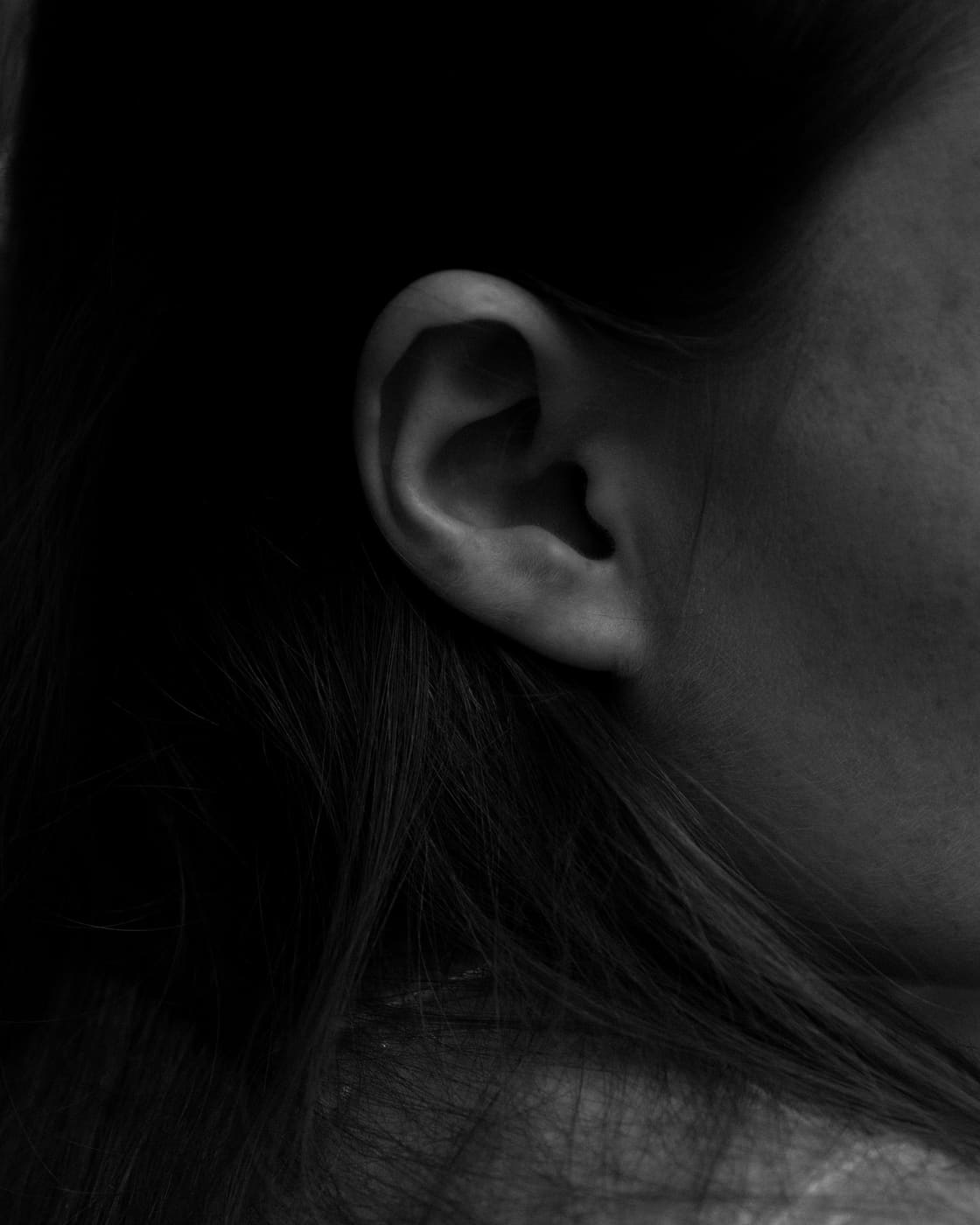
Brings the ears closer to the head and reshapes the cartilage through an incision hidden behind the ear. It can be performed from age 7, once the cartilage is fully developed.
It is a simple procedure with an enormous effect on self-confidence, in children as well as adults. A protective headband is worn during the first weeks.
Is it for me?
Protruding or asymmetrical ears.
Children from age 7 and adults.
Anyone looking for a change with a short recovery.
What you should know
How it's done, how to care for it and what to expect.
General information so you arrive at your consultation with the right questions. Your plan is defined at your consultation.
Technique
Incision behind the ear; the cartilage is reshaped with permanent sutures to create the antihelical fold and bring the ear closer to the head.
Local anesthesia in adults; general in adolescents.
Performed from age 7 or 8, once the ear has finished growing.
Aftercare
Elastic headband day and night for one week, then only at night for one month.
Sleep on your back and avoid contact sports for 6 weeks.
Results and how long they last
The change is immediate and permanent once the swelling subsides, in about 3 weeks.
Risks and how we reduce them
Bruising, minimal asymmetry and temporary increased sensitivity. It is one of the surgeries with the highest satisfaction because it resolves something that has bothered people since childhood.
Step by step
Recovery roadmap: Otoplasty (Ear Surgery)
Day 1
Dressing; mild discomfort.
Week 1
Switch to an elastic headband; back to school or work.
Month 1
Headband only for sleeping; non-contact sports.
Month 3
Final result.
Approximate timelines. Your exact roadmap depends on your case, the technique and how your body heals. Results vary.
Real cases
Results from Dr. Yolotzin's patients.
Real photos shared with permission, comparable with a slider.
No forms: message me on WhatsApp at the location you prefer and my team will book your consultation. The first visit is an honest conversation about what can be done and what cannot.