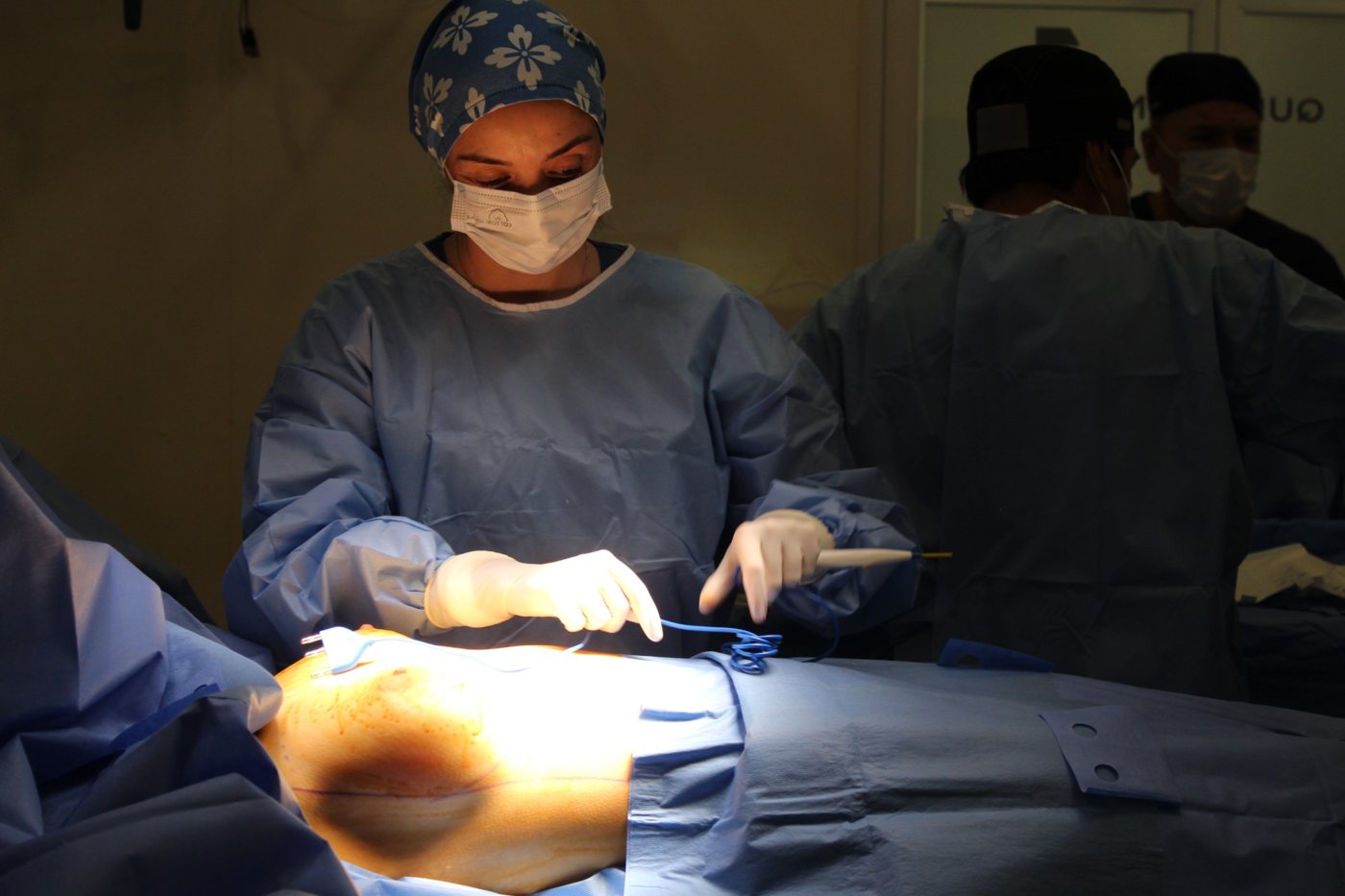
Masculinizing mastectomy (top surgery) creates a flat, masculine chest contour with repositioning of the nipple-areola complexes. It is performed with respect for your identity, your name and your pronouns, following the WPATH Standards of Care.
Dr. Yolotzin trained in chest masculinization at Mount Sinai Hospital in New York (WPATH, 2018) and is a clinical partner of CETRANS, where she cares for trans and non-binary people. The technique (periareolar or double incision with free nipple grafts) is chosen based on chest size and skin elasticity.
The process includes a comprehensive assessment, guidance on letters of support when they apply, and a care plan designed so you can return to your life safely.
Is it for me?
Trans men and non-binary people seeking a masculine chest.
Anyone who wants a team with specific experience and dignified care.
Patients with or without hormone therapy, depending on assessment.
What you should know
How it's done, how to care for it and what to expect.
General information so you arrive at your consultation with the right questions. Your plan is defined at your consultation.
Technique
Periareolar or double-incision technique with free nipple grafts, depending on chest size and skin elasticity.
Repositioning and reduction of the nipple-areola complex for masculine proportions.
Lateral liposculpture to define the contour of the pectoral muscle.
Aftercare
Compression vest for 4 to 6 weeks.
Nipple graft care with dressing changes during the first 2 weeks.
No raising your arms above shoulder level or chest exercise during the first month.
Results and how long they last
The flat contour is visible as soon as the dressing is removed; the scar matures over 12 months and the chest gains definition with exercise from the third month.
Risks and how we reduce them
Changes in nipple sensation, partial graft loss, bruising and visible scars. The technique and the marks it leaves are discussed openly before surgery.
No forms: message me on WhatsApp at the location you prefer and my team will book your consultation. The first visit is an honest conversation about what can be done and what cannot.