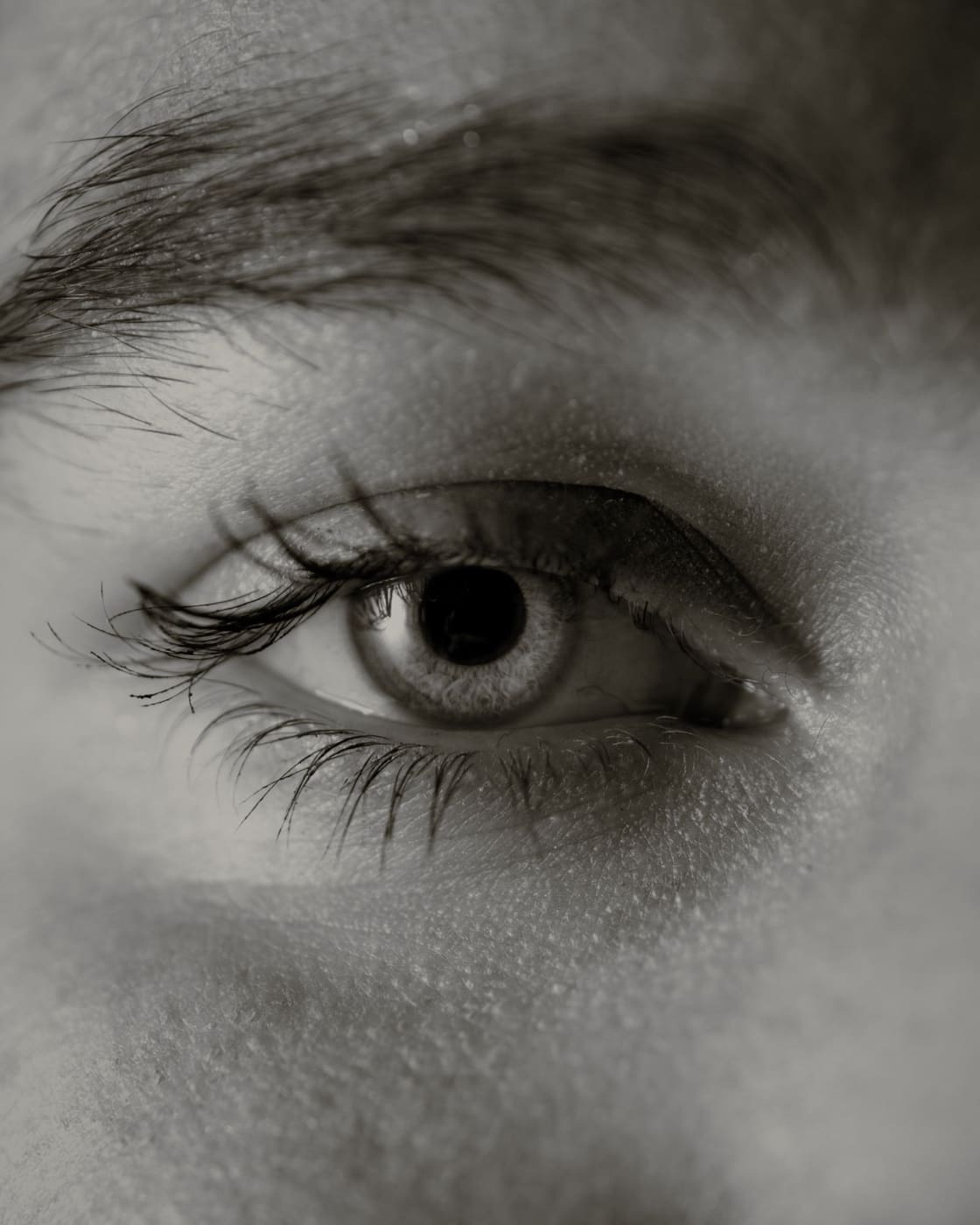
The upper eyelid scar stays hidden in the natural crease; on the lower lid it can be done from the inside (transconjunctival) when there are only bags. The goal is a rested look, never an "operated" one.
Is it for me?
Drooping eyelids that feel heavy or narrow the field of vision.
Bags under the eyes.
Anyone looking for a subtle, quick change.
What you should know
How it's done, how to care for it and what to expect.
General information so you arrive at your consultation with the right questions. Your plan is defined at your consultation.
Technique
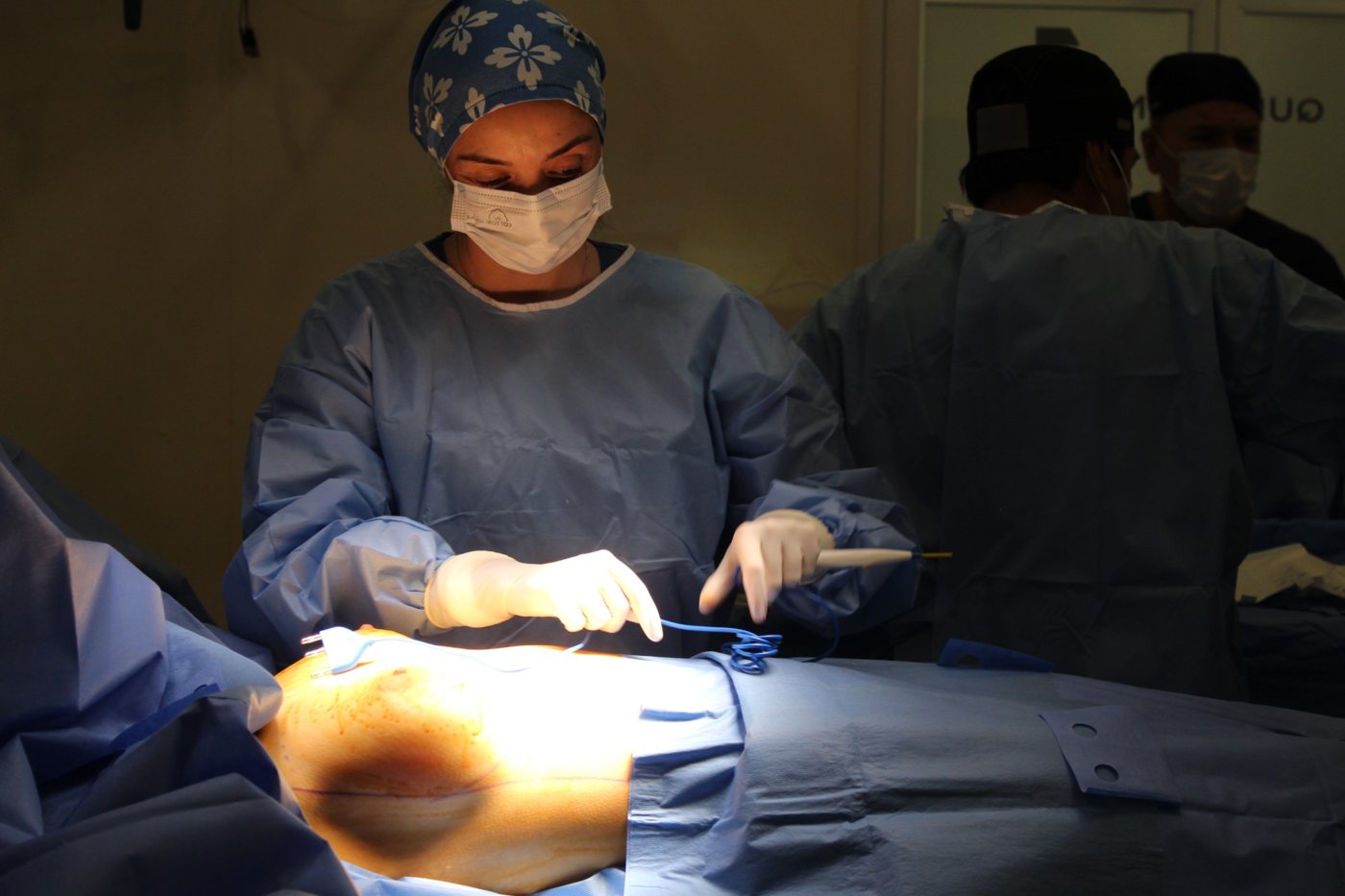
Upper eyelid: excess skin and, if needed, fat bags are removed through an incision in the natural crease.
Lower eyelid: transconjunctival approach (no external scar) or subciliary approach to reposition fat and tighten skin.
Local anesthesia with sedation in most cases.
Aftercare
Cold compresses for the first 48 hours and sleep with your head elevated.
No makeup or contact lenses for 10 days.
Sun protection and dark glasses when going out for one month.
Results and how long they last
Bruising for 7 to 10 days. The eyes look rested from the second week and the result lasts many years.
Risks and how we reduce them
Temporary dry eye, mild asymmetry and, infrequently, difficulty closing the eye completely. The consultation includes checking eyelid function.
Step by step
Recovery roadmap: Eyelid Surgery (Blepharoplasty)
Day 1
Cold compresses, head elevated; some swelling and bruising.
Week 1
Stitches removed; you can go out with sunglasses.
Month 1
Swelling almost gone; makeup allowed.
Month 3
Final result with an imperceptible scar.
Approximate timelines. Your exact roadmap depends on your case, the technique and how your body heals. Results vary.
Real cases
Results from Dr. Yolotzin's patients.
Real photos shared with permission, comparable with a slider.
No forms: message me on WhatsApp at the location you prefer and my team will book your consultation. The first visit is an honest conversation about what can be done and what cannot.